

What Happens to My Debts After Bankruptcy in Indiana?
by Attorney S. Zachary T. Brock
Table of Contents
What Happens to Debt After Bankruptcy in Indiana?
Filing for bankruptcy is often a turning point. Many people wonder what happens to debts after bankruptcy and which financial obligations are legally eliminated once a case is complete. Understanding what happens to debt after bankruptcy depends on the chapter filed and the specific type of obligation involved.
For individuals in Indianapolis and surrounding communities, bankruptcy can eliminate significant unsecured debt and legally stop collection efforts. The discharge is the court order that makes this protection permanent. Once entered, creditors are prohibited from pursuing qualifying debts.
However, not every obligation disappears. Knowing which debts are discharged and which remain is critical before filing.
What Happens to My Debts After Bankruptcy in Chapter 7?
In most cases, Chapter 7 bankruptcy results in the discharge of qualifying unsecured debts, offering a faster path to financial relief. Understanding how the bankruptcy discharge process works helps filers know when qualifying debts are legally eliminated and collection efforts must stop.
After filing, attending the meeting of creditors, and completing required education, the court typically enters a discharge within a few months if no objections are raised. In many cases, Chapter 7 bankruptcy results in a faster discharge of unsecured debts once required steps are completed, giving individuals a quicker financial reset.
Debts After Bankruptcy Commonly Discharged in Chapter 7
- Credit card balances, including accumulated interest and penalties, are typically eliminated.
- Medical bills from hospitals and providers are often discharged, providing relief for families facing unexpected expenses.
- Personal loans without collateral are generally included in the discharge.
- Certain unsecured judgments may also qualify for elimination.
Once discharged, these debts are legally unenforceable. Creditors cannot call, garnish wages, or pursue lawsuits to collect them.

What Happens to Debts After Bankruptcy in Chapter 13?
For individuals with steady income or assets to protect, Chapter 13 bankruptcy may be a more appropriate option. For those repaying creditors over time, Chapter 13 bankruptcy may discharge remaining eligible debts only after all plan payments are successfully completed.
During Chapter 13, you enter a three to five-year repayment plan. You make monthly payments to a trustee who distributes funds according to legal priority rules.
Debts After Bankruptcy Addressed Through a Chapter 13 Plan
- Mortgage arrears can be repaid over time while preventing foreclosure.
- Vehicle loan deficiencies can be included in the repayment plan.
- Certain tax debts may be addressed without additional penalties.
- Unsecured balances, such as credit card and medical bill debt, may receive partial repayment, with any remaining eligible amounts discharged upon completion.
This structured approach allows asset protection while working toward long-term financial stability.

What Happens to Debts After Bankruptcy That Are Not Discharged?
Not all obligations are eliminated. Certain obligations, such as medical balances or tax related debts, may require additional review through Indiana medical debt relief attorney services or Indiana tax resolution assistance to determine discharge eligibility.
Debts After Bankruptcy That Commonly Remain
- Most student loans unless undue hardship is proven in a separate legal action.
- Recent tax obligations that do not meet discharge timing requirements.
- Child support and spousal maintenance obligations.
- Debts resulting from fraud, if successfully challenged by a creditor.
Each case depends on the timing of the debt, the type of obligation, and how it was incurred.
What Happens to My Debts After Bankruptcy on My Credit Report?
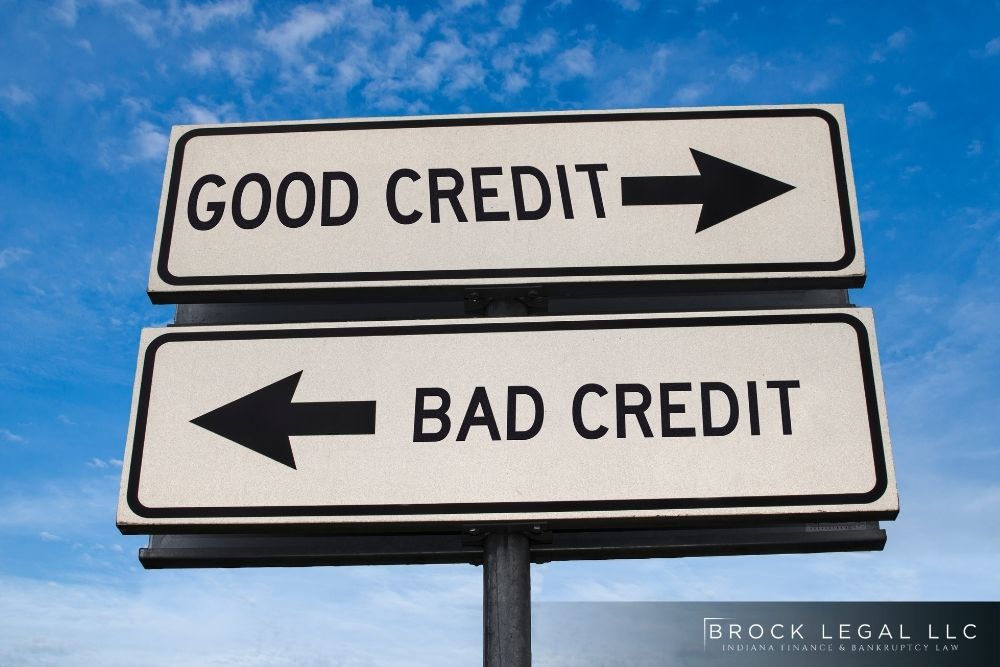
After discharge, debts do not disappear from your credit report immediately. Instead, they should be updated to show inclusion in bankruptcy with a zero balance.
This reporting prevents future collection attempts and allows you to begin accurately rebuilding your credit. Monitoring your credit report after discharge is important to ensure proper reporting.
For more guidance on what to expect after filing and how discharge fits into the broader process, reviewing the step-by-step bankruptcy process guide for Indiana residents can provide helpful context.
Many individuals in Indianapolis are surprised at how quickly their financial picture stabilizes once overwhelming unsecured debt is removed. You can also explore ongoing insights on the Central Indiana bankruptcy lawyer blog.
What Happens to Joint Debts After Bankruptcy in Indiana?
Joint debts can create unique concerns. If you file individually but share an obligation with a spouse or cosigner, your discharge protects only you.
For example, if you and a relative signed a car loan together and only you file Chapter 7, your responsibility may be discharged, but the cosigner may still remain liable.
In some Chapter 13 cases, a codebtor stay can temporarily prevent collection against certain cosigners during the repayment period. This protection does not permanently eliminate the other party’s debt, but it can provide breathing room.
Speaking with a bankruptcy attorney in Indiana helps clarify which debts are forgiven, which survive bankruptcy, and what steps come next.

Contact Brock Legal, LLC About What Happens to My Debts After Bankruptcy
Understanding what happens to my debts after bankruptcy is one of the most important parts of deciding whether to file. The difference between discharged and surviving obligations can significantly impact your financial future.
At Brock Legal, LLC, individuals throughout Indianapolis and the surrounding communities receive direct guidance grounded in real experience in Indiana bankruptcy courts. Attorney Zach Brock understands how trustees evaluate cases and how discharge applies to different types of debt.
If you want to avoid delays or issues with your bankruptcy discharge, contact us today to schedule a consultation and ensure all requirements are handled correctly.
FAQs About What Happens to Debts After Bankruptcy
In Chapter 7, discharge typically occurs within a few months if all requirements are satisfied. In Chapter 13, discharge occurs only after completing the entire repayment plan.
No. Once a debt is discharged, creditors are legally prohibited from attempting to collect it.
If a debt is not properly disclosed, it may not be discharged. Providing complete and accurate information during filing is critical.
In Chapter 7, interest on discharged unsecured debts stops once the case is filed and discharge is entered. In Chapter 13, interest treatment depends on the plan and type of debt.
Generally, debts discharged in bankruptcy are not treated as taxable income. However, individual financial circumstances should always be reviewed carefully.
Attorney S. Zachary T. Brock

Attorney S. Zachary T. Brock
Zach empowers individuals faced with financial challenges by providing them with effective solutions and unwavering support in the areas of consumer finance and bankruptcy law.
By actively listening and empathizing with each client, Zach works to gain a deep understanding of every individual or family’s unique circumstances. This helps him tailor his legal strategy to best meet the needs of each client.
“No matter what may be weighing you down financially, Brock Legal is here to help. My mission is to help navigate you through whatever stressful circumstance you may be faced with, by offering unparalleled education and service in the areas of consumer finance and bankruptcy law. Let us show you how our firm can help. Contact Brock Legal today!”
-Zach

