

The Bankruptcy Discharge Process in Indiana: What You Need to Know
by Attorney S. Zachary T. Brock
Table of Contents
Bankruptcy Discharge and the Bankruptcy Discharge Process in Indiana
When most people in Indianapolis think about filing bankruptcy, what they really want is the discharge. The discharge is the court order that legally eliminates qualifying debts and stops creditors from trying to collect them. It is the moment when the financial pressure finally lifts.
Understanding how the bankruptcy discharge process works helps filers know when qualifying debts are legally eliminated, and collection efforts must stop.
The bankruptcy discharge process in Indiana is not automatic. It follows specific steps, deadlines, and court requirements. Missing even one detail can delay your discharge or cause serious complications. That is why working with an experienced Indianapolis bankruptcy attorney matters from the very beginning.

How the Bankruptcy Discharge Process in Indiana Works
The bankruptcy discharge process in Indiana begins once your case is filed and continues through several required stages. Whether you file Chapter 7 or Chapter 13 bankruptcy in Indiana, the court must confirm that all obligations have been satisfied before issuing the discharge order.
Key Steps in the Bankruptcy Discharge Process in Indiana
- Filing the petition and schedules: Your case officially begins when your bankruptcy petition and financial schedules are filed with the court. These documents must accurately list assets, debts, income, and expenses.
- Attending the meeting of creditors: Known as the 341 meeting, this is where the trustee reviews your information and may ask questions under oath.
- Completing debtor education: After filing, you must complete a court-approved financial management course before your discharge can be entered.
- Waiting period and review: Creditors have a limited window to object to discharge in certain circumstances. If no valid objections are filed and all requirements are met, the court issues the discharge order.
For many Indianapolis residents, the timeline in Chapter 7 is typically about three to four months from filing to discharge. Chapter 13 is longer, as explained below.

Bankruptcy Discharge in Chapter 7 Bankruptcy in Indiana
Chapter 7 bankruptcy is often the faster path to discharge for individuals who qualify. In many cases, Chapter 7 bankruptcy results in a faster discharge of unsecured debts once the required steps are completed.
In Chapter 7, the trustee reviews your case to determine whether there are non-exempt assets that could be sold to pay creditors. In most consumer cases in Central Indiana, there are no assets available for liquidation. Once the required meeting and education course are completed and no objections are filed, the court issues the discharge order.
Debts Commonly Discharged in Chapter 7 Bankruptcy in Indiana
- Credit card balances: Most unsecured credit card debt is eliminated, stopping interest and collection activity.
- Medical bills: Hospital charges and medical collection accounts are generally dischargeable, providing relief to families overwhelmed by health-related expenses.
- Personal loans: Signature loans without collateral are typically included in the discharge.
- Utility balances and certain judgments: Older unsecured obligations may be eliminated if they qualify under federal bankruptcy law.
The discharge order permanently prevents creditors from attempting to collect these debts. If a creditor contacts you after discharge, that may violate federal law.
Bankruptcy Discharge in Chapter 13 Bankruptcy in Indiana
Chapter 13 bankruptcy in Indiana follows a different path. For individuals in repayment plans, Chapter 13 bankruptcy provides a discharge only after all plan payments are successfully made.
Unlike Chapter 7, Chapter 13 involves a three to five-year repayment plan. You make monthly payments to a trustee, who distributes funds to creditors based on the court-approved plan.
Discharge does not occur until the final payment is made and all plan obligations are satisfied. If payments are missed or the plan fails, discharge may be delayed or denied.
Chapter 13 discharge can eliminate many unsecured debts that remain after payments are made. It can also address certain secured debts and arrears. However, strict compliance with court rules is essential throughout the entire process.

What Debts Are Not Discharged in Bankruptcy in Indiana?
Not every debt qualifies for discharge. Understanding the limits of bankruptcy discharge in Indiana is just as important as knowing what is eliminated.
Common Debts That May Survive the Bankruptcy Discharge Process in Indiana
- Most student loans: These are rarely discharged unless you prove undue hardship through a separate legal process.
- Recent tax debt: Certain tax obligations may remain unless specific timing and filing requirements are met.
- Domestic support obligations: Child support and spousal maintenance are not dischargeable.
- Debts obtained through fraud: If a creditor proves intentional misconduct, the court may deny discharge of that specific debt.
Certain obligations, such as medical balances or tax-related debts, may require additional review through medical debt relief or tax resolution assistance to determine discharge eligibility.
Each case is different. The timing of tax filings or debt incurrence can significantly affect the outcome.
What Happens After the Bankruptcy Discharge Process in Indiana?
Once the discharge order is entered, creditors must stop all collection activity. This includes phone calls, wage garnishments, lawsuits, and collection letters.
You should receive a copy of the discharge order from the court. It is important to keep this document in a safe place. You may need it later if a creditor mistakenly attempts collection.
Steps to Take After Your Bankruptcy Discharge
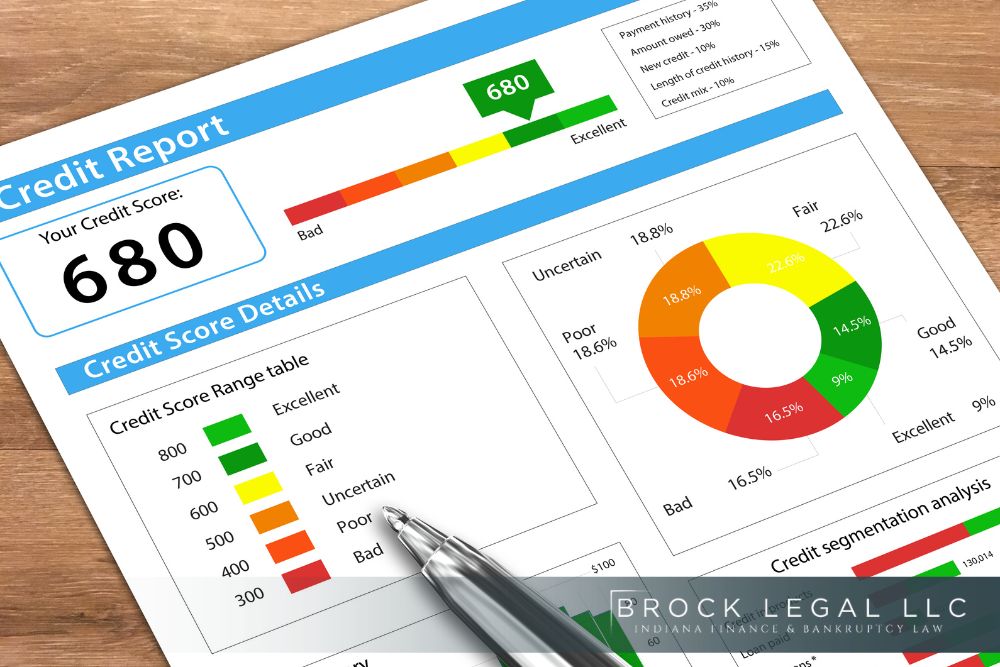
- Review your credit reports: Confirm that discharged debts are reported correctly as included in bankruptcy.
- Create a realistic budget: Now that qualifying debts are eliminated, focus on rebuilding financial stability.
- Use credit carefully: Secured credit cards or small installment loans may help rebuild credit when used responsibly.
- Monitor for errors: If a creditor reports incorrect information after discharge, dispute it promptly.
You may also find useful guidance in the Life After Bankruptcy in Indiana resource, which explains long-term financial recovery strategies.
Many clients in Indianapolis, Fishers, Carmel, and surrounding communities are surprised at how quickly they can begin rebuilding after discharge.
Contact Brock Legal, LLC About the Bankruptcy Discharge Process in Indiana
The bankruptcy discharge process in Indiana is the final step toward financial relief, but it requires careful attention to detail from start to finish. Filing incomplete paperwork, missing deadlines, or misunderstanding eligibility rules can create unnecessary delays.
Brock Legal, LLC has guided individuals and families across Indianapolis and Central Indiana through the bankruptcy discharge process with clarity and steady support. Attorney Zach Brock understands how local trustees operate and what courts expect.
If you want to avoid delays or issues with your bankruptcy discharge, contact us today to schedule a consultation and ensure all requirements are handled correctly.
A discharge can be the turning point. With the right guidance, you can move forward with confidence and a clean financial slate.
FAQs About the Bankruptcy Discharge Process in Indiana
In Chapter 7, discharge typically occurs about three to four months after filing if there are no objections or complications. In Chapter 13, discharge occurs only after all plan payments are completed, which can take three to five-years.
Yes, but only under specific circumstances. A creditor may file an objection if they believe a debt was incurred through fraud or intentional misconduct. These cases require separate litigation within the bankruptcy court.
If a debt is not listed, it may not be properly discharged. It is critical to provide a complete and accurate list of all creditors at the time of filing. An experienced attorney helps ensure nothing is overlooked.
Some older tax debts may be dischargeable if certain conditions are met regarding filing dates and assessment timelines. Recent tax debt is often not dischargeable. Careful review is required to determine eligibility.
If a creditor attempts collection after the discharge order is entered, they may be violating federal law. Keep records of the communication and contact your attorney immediately.
Speaking with a bankruptcy attorney in Indiana can help ensure all requirements are met so the discharge is not delayed or denied.
Attorney S. Zachary T. Brock

Attorney S. Zachary T. Brock
Zach empowers individuals faced with financial challenges by providing them with effective solutions and unwavering support in the areas of consumer finance and bankruptcy law.
By actively listening and empathizing with each client, Zach works to gain a deep understanding of every individual or family’s unique circumstances. This helps him tailor his legal strategy to best meet the needs of each client.
“No matter what may be weighing you down financially, Brock Legal is here to help. My mission is to help navigate you through whatever stressful circumstance you may be faced with, by offering unparalleled education and service in the areas of consumer finance and bankruptcy law. Let us show you how our firm can help. Contact Brock Legal today!”
-Zach

