

Life After Bankruptcy: Rebuilding Your Financial Future in Indiana
by Attorney S. Zachary T. Brock

Table of Contents
Life After Bankruptcy in Indiana: What Comes Next
Life after bankruptcy in Indiana often feels like a mix of relief and uncertainty. Many people in Indianapolis and surrounding communities feel grateful that overwhelming debt is behind them, but they are unsure how to move forward financially. Questions about credit, savings, housing, and long-term stability are common. The good news is that bankruptcy is not the end of your financial story. It is a reset point that allows you to rebuild with clarity and structure.
Understanding what comes next is critical. Bankruptcy removes many financial burdens, but recovery requires intentional steps. With the proper guidance, most Indiana residents rebuild credit, regain financial confidence, and create a stronger future than before.
Individuals rebuilding after bankruptcy often face the same concerns about credit, housing, and long-term stability. Attorneys at Brock Legal regularly work with Indiana residents after their cases conclude, helping them understand how financial decisions today can impact future opportunities.
Steps to Rebuild Your Financial Future After Bankruptcy in Indiana
Setting realistic expectations for post-bankruptcy recovery
Rebuilding your financial future does not happen overnight. Credit scores take time to recover, savings need to be rebuilt, and financial habits often require adjustment. Setting realistic expectations helps prevent frustration and setbacks.
Most people see gradual improvements within the first year after bankruptcy. Lenders begin to view your profile differently once debts are discharged and income stabilizes. This process rewards consistency more than speed.
Creating a financial foundation that supports recovery
A strong recovery plan begins with understanding your current situation. Knowing your income, fixed expenses, and discretionary spending gives you control. Bankruptcy clears many debts, which makes budgeting easier and more predictable.
Understanding how life after bankruptcy works also helps individuals focus on eliminating overwhelming debt and resetting their financial priorities through options like Chapter 7 bankruptcy, which often serves as the foundation for long-term recovery.
Avoiding common mistakes after bankruptcy
Many people rush into financial decisions after bankruptcy, such as opening too many accounts or taking on unnecessary debt. Slowing down and following a structured plan helps you avoid repeating past challenges.

Post-Bankruptcy Recovery in Indiana: A Practical Guide
Rebuilding stability after financial stress
Post-bankruptcy recovery is about more than credit scores. It includes emotional stability, financial confidence, and a renewed sense of control. Many Indiana residents feel less stress once collection calls stop and bills become manageable. This sense of stability supports better financial decisions over time.
Understanding income-based recovery paths
Not every recovery path looks the same. Some people have steady income and assets to protect, while others are focused on rebuilding from a lower income base. For those with steady income or assets to protect, a Chapter 13 bankruptcy repayment plan can provide a structured path forward to catch up on obligations and preserve important property.
Building confidence through education
Learning how credit works, how lenders evaluate risk, and how budgeting affects future opportunities builds your confidence. This education is a key part of post-bankruptcy recovery and helps prevent future financial distress.
How to Rebuild Credit and Finances After Bankruptcy in Indiana
Understanding credit after bankruptcy
Bankruptcy does affect your credit report, but it also removes negative balances that were holding scores down. Many people see stabilization within months because debt-to-income ratios improve. Rebuilding credit is about proving reliability over time. On-time payments, low balances, and responsible account use all contribute to steady improvement. While bankruptcy remains on a credit report for several years, many lenders focus more heavily on recent payment history and income stability than the filing itself.
Practical steps to rebuild credit
Rebuilding credit and finances often includes:
- Reviewing your credit reports: After bankruptcy, check all three credit reports to ensure discharged debts show zero balances. Errors are common and should be corrected quickly.
- Disputing inaccuracies: Rebuilding credit often starts by correcting inaccuracies through credit report disputes that may continue to impact scores after a case is complete.
- Using credit cautiously: Secured credit cards or small installment loans can help establish a positive payment history when used responsibly.
- Keeping balances low: Using a small portion of available credit demonstrates discipline and reduces risk signals to lenders.
Timing matters in credit rebuilding
Opening new accounts too soon or too often can slow recovery. Spacing out applications and focusing on consistency helps build trust with lenders over time.
Indiana Financial Recovery: What to Do After Bankruptcy
Establishing a sustainable budget
A realistic budget is one of the most critical tools in financial recovery. Bankruptcy often reduces monthly obligations, making it easier to plan. A sustainable budget prioritizes essentials and leaves room for savings. Budgeting also helps identify areas where spending habits can improve without sacrificing quality of life.
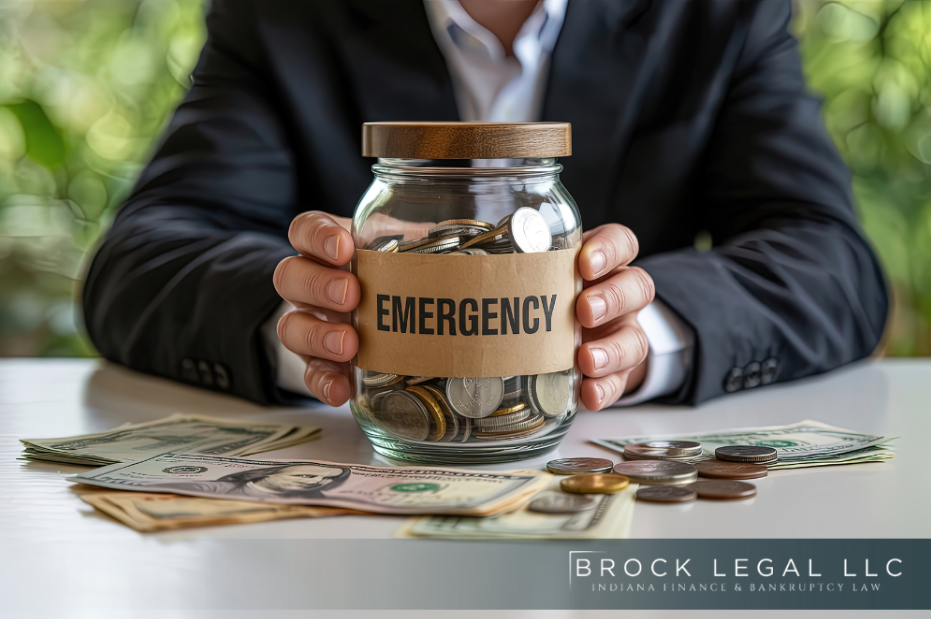
Building an emergency fund
Savings protect you from future setbacks. Even small contributions add up over time. An emergency fund prevents reliance on credit cards when unexpected expenses arise, which is critical for maintaining financial progress.
Managing remaining and future debt
Not all debt disappears in bankruptcy. Ongoing balances may also require targeted solutions, such as credit card debt assistance, to prevent future financial setbacks. Learning how to manage debt responsibly ensures that new balances do not undo the progress you have made.
Long-Term Financial Planning After Bankruptcy in Indiana
Setting financial goals that align with recovery
Long-term planning gives direction to your recovery. Goals may include homeownership, reliable transportation, retirement savings, or education expenses. Setting achievable milestones keeps motivation high and progress measurable.
Protecting future income and assets
Insurance coverage, retirement contributions, and estate planning are often overlooked after bankruptcy. Protecting income and assets ensures that future challenges do not lead to financial distress again.
Why professional guidance matters
Working with a bankruptcy attorney in Indiana provides local insight into court procedures, trustees, and realistic recovery timelines. An experienced bankruptcy lawyer in Indianapolis can also help you understand how future financial decisions may affect your long-term stability. Many individuals choose to speak with a bankruptcy attorney in Indiana after discharge to better understand credit reporting, lender expectations, and long-term planning considerations.

Contact Brock Legal, LLC for Guidance After Bankruptcy
Rebuilding after bankruptcy does not have to be done alone. Brock Legal helps individuals across Indianapolis and surrounding cities understand their next steps, rebuild credit, and avoid future financial pitfalls. Bankruptcy recovery looks different for every individual, and honest guidance is essential when planning next steps. Contact us to schedule a consultation and discuss your options with an experienced Indiana bankruptcy attorney.
FAQs About Life After Bankruptcy in Indiana
Most people begin to see improvements within 6 to 12 months. Significant progress often occurs within two to three years when accounts are managed responsibly.
Yes. Many lenders offer mortgage programs after a waiting period. Rebuilding credit, saving for a down payment, and maintaining a steady income all improve eligibility.
No. Responsible credit use is part of recovery. The key is moderation, low balances, and on-time payments.
Early intervention matters. Addressing issues quickly, adjusting budgets, or seeking professional guidance can prevent repeat financial stress.
Yes. An attorney can help you understand post-bankruptcy rights, credit issues, and future financial planning strategies.
Attorney S. Zachary T. Brock

Attorney S. Zachary T. Brock
Zach empowers individuals faced with financial challenges by providing them with effective solutions and unwavering support in the areas of consumer finance and bankruptcy law.
By actively listening and empathizing with each client, Zach works to gain a deep understanding of every individual or family’s unique circumstances. This helps him tailor his legal strategy to best meet the needs of each client.
“No matter what may be weighing you down financially, Brock Legal is here to help. My mission is to help navigate you through whatever stressful circumstance you may be faced with, by offering unparalleled education and service in the areas of consumer finance and bankruptcy law. Let us show you how our firm can help. Contact Brock Legal today!”
-Zach

