

How to Successfully Navigate the Chapter 13 Bankruptcy Repayment Plan in Indiana
by Attorney S. Zachary T. Brock
Table of Contents
Chapter 13 Bankruptcy Repayment and the Chapter 13 Indiana Process
Chapter 13 Bankruptcy repayment is not simply about filing a petition. It is about committing to a structured repayment schedule that lasts three to five years. For individuals in Indianapolis, Carmel, Fishers, Greenwood, and surrounding communities, the Chapter 13 process in Indiana offers a path to protect important assets while responsibly resolving debt.
Unlike Chapter 7, which may discharge unsecured debt more quickly, a Chapter 13 repayment plan in an Indiana case requires consistent monthly payments to a trustee. That trustee distributes funds to creditors according to court approved priorities.
Successfully completing a Chapter 13 bankruptcy repayment plan requires careful budgeting, consistent payments, and ongoing communication throughout the case.
Understanding the structure from the beginning makes it far easier to achieve successful Chapter 13 repayment.

Chapter 13 Repayment Plan Indiana Structure and Payment Calculation
A Chapter 13 repayment plan Indiana case generally lasts three years for individuals below the state median income and five years for those above it. The court determines duration based on income and debt obligations.
Payments are calculated using disposable income after reasonable living expenses are deducted. The trustee reviews pay stubs, tax returns, and financial documentation closely before confirming the plan.
Core Components of a Chapter 13 Bankruptcy Repayment Plan
- Secured debts, such as mortgage arrears and vehicle loans, are prioritized so the property can be retained while catching up on missed payments.
- Priority debts, including certain tax obligations and domestic support obligations, must be paid in full during the life of the plan.
- Unsecured debts, such as credit card debt and medical bills, may receive partial repayment based on available income and asset value.
- Trustee fees are included in monthly payments to cover administrative oversight of the case.
For individuals considering a structured repayment plan, reviewing how Chapter 13 bankruptcy in Indiana works can clarify expectations before filing.
Comparing repayment obligations to those of Chapter 7 bankruptcy can help clarify why Chapter 13 is often better suited for individuals with steady income or assets to protect.
Successful Chapter 13 Repayment and Budget Discipline
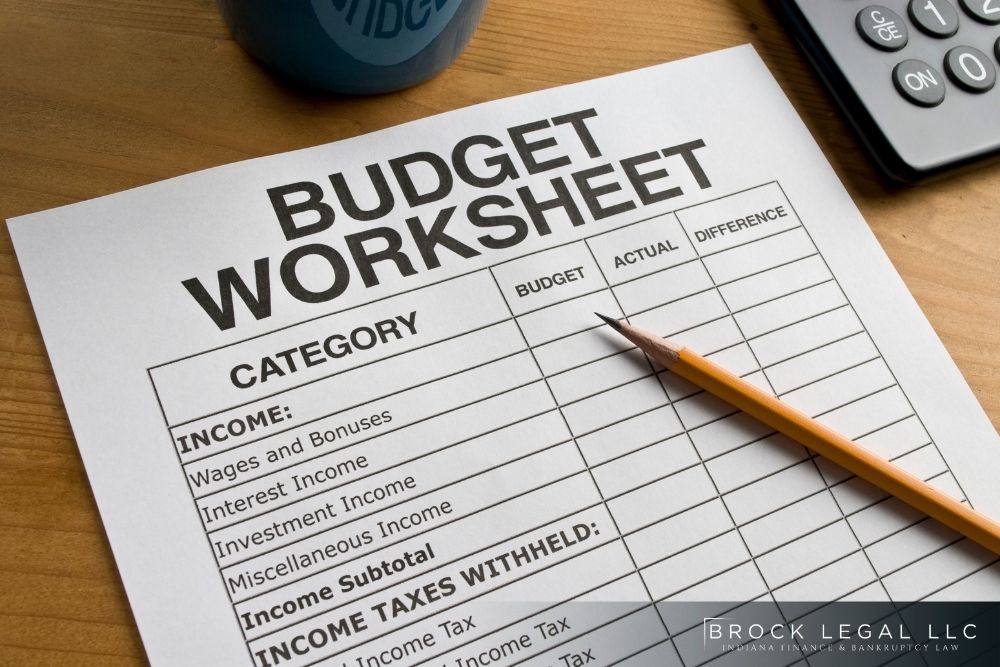
Budgeting is one of the most important elements of successful Chapter 13 repayment. Missed payments can place the case at risk of dismissal.
Many clients underestimate how closely income and expenses must be monitored throughout the Chapter 13 process in Indiana. Even small financial disruptions can affect plan performance.
Practical Budget Strategies for Chapter 13 Bankruptcy Repayment
- Track monthly income and expenses carefully to avoid surprises.
- Set aside a small emergency fund to prevent missed payments from unexpected costs.
- Avoid taking on new debt without court approval.
- Communicate immediately with your attorney if income changes.
Many filers rely on ongoing guidance from consumer finance assistance to manage expenses and stay compliant with court approved payment terms.
Maintaining accurate financial records and addressing errors through credit report disputes can help prevent complications during a multi-year repayment plan.
Discipline and transparency make a measurable difference over the course of three to five years.
Chapter 13 Indiana Process and Trustee Communication
The Chapter 13 Indiana process does not end at confirmation. Trustees require updated tax returns and notification of significant financial changes.
Ongoing communication protects your case. If you experience job loss, medical hardship, or income reduction, plan modification may be possible.
Working with a bankruptcy attorney in Indiana helps ensure repayment plans remain on track and aligned with local court and trustee expectations.
Trustees in Central Indiana expect prompt communication and accurate documentation. Proactive management of your case helps avoid unnecessary complications.
For additional perspective on how cases move from filing through discharge, reviewing the step by step bankruptcy process guide for Indiana residents can provide helpful context.

Chapter 13 Bankruptcy Repayment and Asset Protection in Indiana
One of the primary reasons individuals choose Chapter 13 Bankruptcy repayment is asset protection. Homes facing foreclosure and vehicles at risk of repossession can often be preserved.
Assets Commonly Protected in a Chapter 13 Repayment Plan Indiana Case
- Primary residences where mortgage arrears are repaid gradually.
- Vehicles necessary for employment and family transportation.
- Business equipment for self-employed individuals.
- Personal property that may exceed exemption limits in Chapter 7.
For those weighing options, reviewing Chapter 7 bankruptcy in Indiana can help determine whether liquidation or structured repayment is better suited to their financial circumstances.
Successful Chapter 13 repayment protects stability while resolving debt.

Long-Term Success After Chapter 13 Bankruptcy Repayment
Completing a Chapter 13 repayment plan Indiana case brings meaningful relief. Once all payments are made and obligations satisfied, the court enters a discharge of remaining eligible unsecured debt.
At that point, individuals often begin to rebuild credit and reestablish financial goals. Staying informed during the repayment period helps reduce stress and improve long term outcomes.
Educational resources available on the Central Indiana bankruptcy lawyer blog can provide ongoing insight throughout the repayment period.
Clients across Indianapolis and surrounding communities frequently describe the final months of repayment as challenging but rewarding.
Contact Brock Legal, LLC About Successfully Navigating a Chapter 13 Bankruptcy Repayment Plan in Indiana
Successfully navigating a Chapter 13 bankruptcy repayment plan in Indiana requires preparation, communication, and experienced legal guidance. Attorney Zach Brock works directly with individuals throughout Central Indiana to structure realistic, sustainable repayment plans.
If you are struggling to manage a Chapter 13 repayment plan or want help staying on track, contact our office today to schedule a consultation.
Clear guidance at the beginning of your Chapter 13 process in Indiana can prevent avoidable complications later. Taking action early often makes the path to discharge smoother and more predictable.
FAQs About Chapter 13 Bankruptcy Repayment in Indiana
Most plans last between three and five years, depending on income level and repayment structure. The court determines the duration during plan confirmation.
Yes. If income changes significantly due to job loss or medical hardship, a modification may be requested. Prompt communication is critical.
Missing payments can lead to the case being dismissed. Trustees may file motions if payments fall behind. Addressing issues early improves the likelihood of maintaining the plan.
Yes. Filing triggers an automatic stay that halts foreclosure proceedings. Arrears can then be repaid through the plan.
Eligible unsecured debts that remain after completing plan payments are typically discharged, offering long-term financial relief.
Attorney S. Zachary T. Brock

Attorney S. Zachary T. Brock
Zach empowers individuals faced with financial challenges by providing them with effective solutions and unwavering support in the areas of consumer finance and bankruptcy law.
By actively listening and empathizing with each client, Zach works to gain a deep understanding of every individual or family’s unique circumstances. This helps him tailor his legal strategy to best meet the needs of each client.
“No matter what may be weighing you down financially, Brock Legal is here to help. My mission is to help navigate you through whatever stressful circumstance you may be faced with, by offering unparalleled education and service in the areas of consumer finance and bankruptcy law. Let us show you how our firm can help. Contact Brock Legal today!”
-Zach

