

Filing for Bankruptcy with Medical Debt: What Indiana Residents Need to Know
by Attorney S. Zachary T. Brock
Table of Contents
Bankruptcy Medical Debt Indiana: Understanding Filing Bankruptcy with Medical Debt
Indiana medical debt bankruptcy cases are more common than many people realize. A sudden illness, emergency surgery, or ongoing treatment can create balances that grow faster than most families can manage. Filing bankruptcy with medical debt is often considered when insurance coverage falls short, and collection notices begin arriving.
Many people explore bankruptcy for medical debt when unexpected healthcare expenses become overwhelming, and collection efforts continue.
Medical bills are typically unsecured debt, which means they are not tied to property like a mortgage or vehicle loan. That distinction matters when evaluating medical debt relief bankruptcy options in Indianapolis and surrounding communities.
Understanding how the process works is the first step toward regaining control.
Filing Bankruptcy with Medical Debt Under Chapter 7 in Indiana
When discussing medical debt bankruptcy cases in Indiana, Chapter 7 is often the first option reviewed. In many cases, Chapter 7 bankruptcy can discharge qualifying medical bills, providing fast relief from unsecured medical debt.
Chapter 7 generally moves quickly. After filing, attending the meeting of creditors, and completing the required education, the court may issue a discharge within a few months if no objections are raised.
For individuals considering this route, reviewing how Chapter 7 bankruptcy in Indiana works can clarify eligibility and expectations.
Medical Debt Relief Bankruptcy Through Chapter 7
- Hospital balances that were sent to collections are often discharged.
- Emergency room bills and ambulance charges may qualify for elimination.
- Surgical and specialist invoices not fully covered by insurance are typically unsecured and dischargeable.
- Collection agency accounts based on medical treatment are often included in the bankruptcy filing.
Chapter 7 is especially helpful when income is limited and repayment is not realistic. However, qualification depends on income thresholds and asset considerations.

Filing Bankruptcy with Medical Debt Through Chapter 13 in Indiana
For individuals with steady income or assets they want to protect, Chapter 13 may provide a different approach. For these individuals, Chapter 13 bankruptcy may allow medical debt to be repaid over time through a court approved repayment plan.
Chapter 13 does not immediately discharge debt. Instead, it restructures repayment over three to five years. Upon successful completion of the plan, any remaining eligible unsecured balances may be discharged.
If you are comparing repayment options, reviewing how Chapter 13 bankruptcy in Indiana operates can help determine whether this structure fits your financial situation.
Medical Debt Relief Bankruptcy Under a Repayment Plan
- Medical creditors may receive partial repayment based on disposable income.
- Collection efforts must stop once the case is filed.
- Interest accumulation on unsecured medical debt typically halts.
- Remaining eligible balances may be discharged at the conclusion of the plan.
Chapter 13 can be useful for individuals trying to protect a home or vehicle while still addressing medical debt relief bankruptcy concerns.

Indiana Medical Debt Bankruptcy and Hardship Considerations
Medical debt cases often involve circumstances beyond a person’s control. Serious illness, loss of employment due to health issues, or long-term treatment can strain even stable households.
Because medical debt cases often involve hardship related circumstances, guidance from a medical debt relief attorney can help determine which bankruptcy option offers the most effective relief.
Reviewing available services through Indiana medical debt relief attorney services may provide additional clarity when evaluating filing for bankruptcy with medical debt.
Factors That Influence Medical Debt Relief Bankruptcy Decisions
- Whether income meets Chapter 7 qualification requirements.
- The amount of secured debt compared to unsecured medical balances.
- Pending lawsuits or wage garnishments.
- The need to protect real estate or vehicles.
Every case requires individualized analysis. What works for one Indianapolis family may not be appropriate for another.
Filing Bankruptcy with Medical Debt and Credit Reporting in Indiana
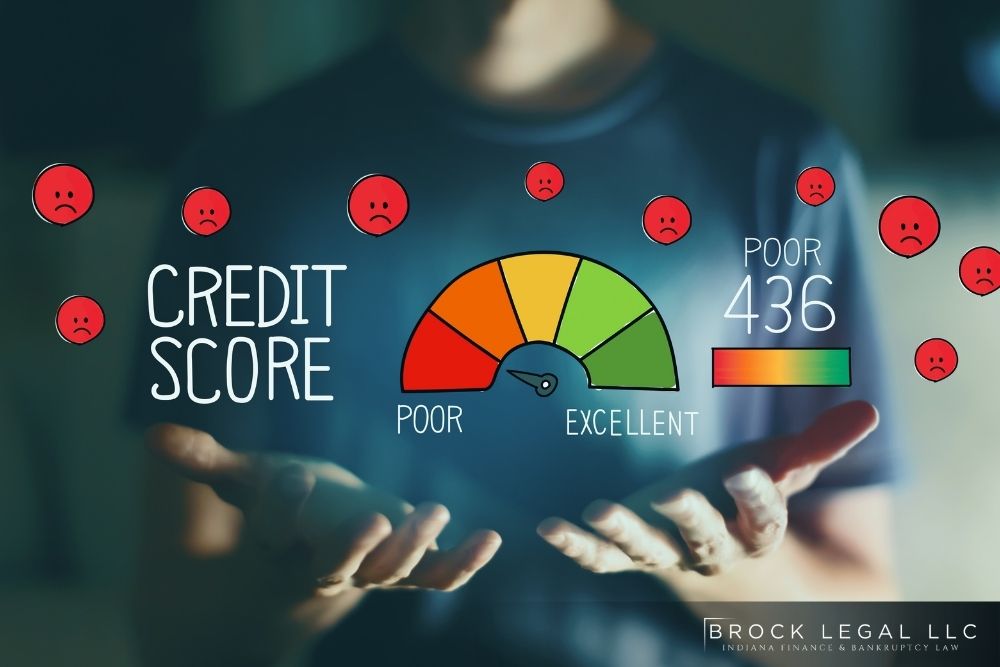
Medical debt can significantly impact credit reports, especially when accounts are sent to collections. Filing bankruptcy with medical debt can stop further damage, but it is important to understand how reporting works afterward.
Maintaining accurate financial records and addressing errors through credit report disputes can help prevent complications during a multi-year repayment plan.
Monitoring your credit report after discharge helps ensure that medical debts are included in bankruptcy with zero balances.
For additional educational resources on managing financial recovery after medical debt bankruptcy cases in Indiana, explore insights available on the Central Indiana bankruptcy lawyer blog.
Bankruptcy Medical Debt Indiana and Local Court Procedures
Bankruptcy law is federal, but procedures can vary by district. Speaking with a bankruptcy attorney in Indiana helps clarify eligibility, filing requirements, and how medical debt is treated under local court procedures.
Local trustees in Indianapolis expect accurate documentation of income, expenses, and outstanding medical balances. Transparency and preparation reduce the likelihood of delays.
At Brock Legal, LLC, cases are carefully reviewed to determine whether Chapter 7 or Chapter 13 provides the strongest path to medical debt relief.
Clear guidance early in the process often prevents complications later.
Contact Brock Legal, LLC About Filing Bankruptcy with Medical Debt in Indiana
Filing bankruptcy with medical debt is a serious decision, but for many Indiana residents, it can provide needed relief from overwhelming healthcare expenses.
If medical bills are overwhelming your finances, contact us today to schedule a bankruptcy consultation and explore your options for debt relief.
Brock Legal, LLC works with individuals throughout Indianapolis and the surrounding communities to evaluate medical debt relief bankruptcy strategies that protect assets while resolving unsecured healthcare balances.
Taking the first step toward clarity can make a significant difference in your financial future.
FAQs About Medical Debt Bankruptcy Cases in Indiana
Yes. In many cases, medical debt is unsecured and can be discharged under Chapter 7. In Chapter 13, it may be partially repaid with remaining eligible balances discharged after plan completion.
Yes. Once a bankruptcy case is filed, an automatic stay takes effect. This stops collection calls, lawsuits, and wage garnishments related to medical debt.
Not necessarily. The timing of filing depends on overall financial circumstances, income stability, and anticipated additional expenses. Each case should be reviewed individually.
If the medical debt was cosigned, the impact depends on the chapter filed. Chapter 7 discharges the filing party’s liability, while Chapter 13 may provide temporary protection through a repayment structure.
The best option depends on income, assets, and overall debt structure. A consultation can clarify eligibility and determine which chapter aligns with your goals.
Attorney S. Zachary T. Brock

Attorney S. Zachary T. Brock
Zach empowers individuals faced with financial challenges by providing them with effective solutions and unwavering support in the areas of consumer finance and bankruptcy law.
By actively listening and empathizing with each client, Zach works to gain a deep understanding of every individual or family’s unique circumstances. This helps him tailor his legal strategy to best meet the needs of each client.
“No matter what may be weighing you down financially, Brock Legal is here to help. My mission is to help navigate you through whatever stressful circumstance you may be faced with, by offering unparalleled education and service in the areas of consumer finance and bankruptcy law. Let us show you how our firm can help. Contact Brock Legal today!”
-Zach

